Regional Is the New Global: How South Asian Artists Are Crossing Borders
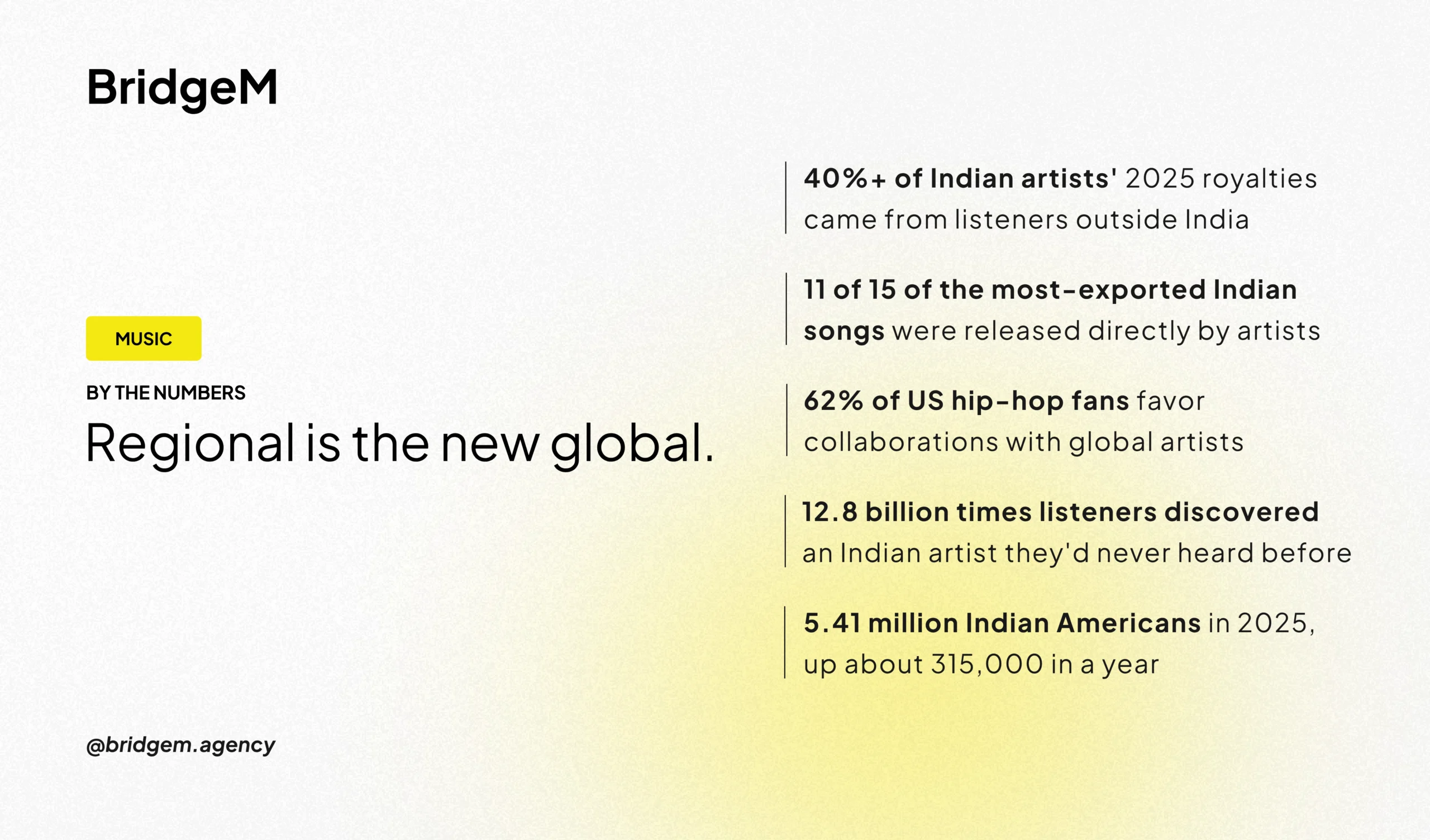
South Asian artists are crossing borders in both directions. Artists from South Asia are winning listeners around the world: over 40% of Indian artists’ Spotify royalties in 2025 came from outside India. At the same time, South Asian artists in the US and Canada are going the other way, rapping and singing in Telugu, Tamil, Punjabi and Hindi alongside English.
These are two sides of the same shift, and regional music sits at the center of both. Here is the 2026 data behind it, from Spotify, Luminate, Rolling Stone India, Billboard Canada and the US Census Bureau, and what it means for anyone building with South Asian artists in the US.
1. South Asian artists are winning listeners worldwide
How much of their audience is international?
A lot. According to Spotify’s 2026 Loud & Clear report, more than 40% of the royalties Indian artists earned in 2025 came from listeners outside India. Fans also played an Indian artist they had never heard before 12.8 billion times. Discovery is happening at a global scale.
Which South Asian artists are traveling?
Mostly independent and regional ones. Of the 15 most-exported Indian songs on Spotify’s 2025 Global Impact List, 11 were released directly by artists rather than through film soundtracks. Kerala-born rapper Hanumankind is the clearest example. His track “Big Dawgs” has passed 360 million Spotify streams and reached #1 on a Spotify global chart.
Independent artists are also winning at home. Indian pop released outside film soundtracks, known as I-Pop, made up half of Spotify’s 2025 year-end top 10 in India. Aditya Rikhari’s independent single “Sahiba” held #1 on Spotify India for more than 11 straight weeks.
Which regional languages are driving the growth?
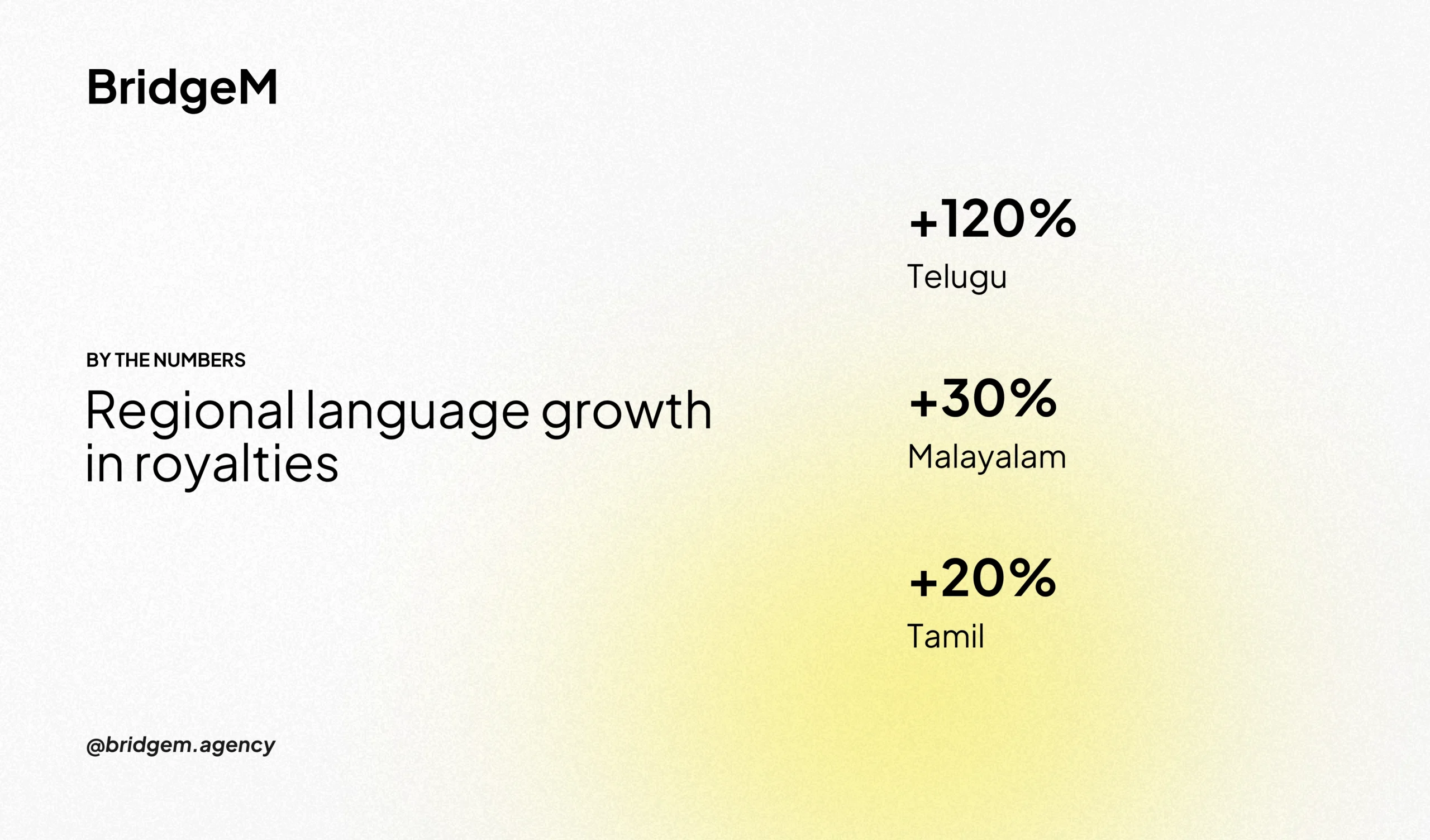
Spotify’s report shows growth across every major Indian language in 2025. Regional languages posted some of the biggest jumps in royalties:
- Telugu: up more than 120%
- Marathi: up nearly 50%
- Bengali: up nearly 40%
- Malayalam: up more than 30%
- Tamil: up 20%
Haryanvi shows how fast a regional scene can rise. Its streams grew nearly sevenfold between February 2023 and February 2026, making it one of Spotify’s fastest-growing languages.
Are Western listeners open to it?
The signs point that way. In Luminate’s 2026 data, 62% of US hip-hop fans favor American artists collaborating with international artists, up from 56% in 2024. The home audience is growing too. The 2025 Census survey counts 5.41 million Indian Americans, up about 315,000 in a single year, or 5.91 million including people of mixed heritage. That’s before counting Pakistani, Bangladeshi, Nepali and Sri Lankan Americans.
2. South Asian artists in the US are going regional
Why are diaspora artists going bilingual?
Identity is driving it, on both sides of the mic. Luminate found that 71% of US hip-hop listeners say music is tied to their cultural identity, up from 65% in 2023. For South Asian artists who grew up between two cultures, switching languages isn’t a gimmick. It’s how they actually speak.
What does it sound like in New York?

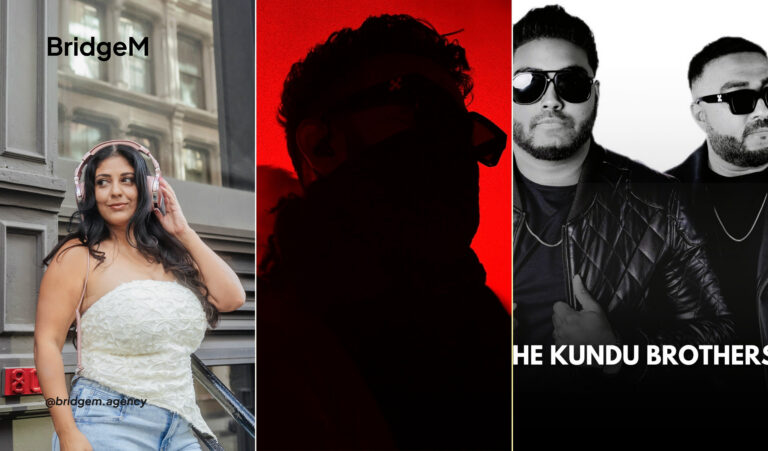
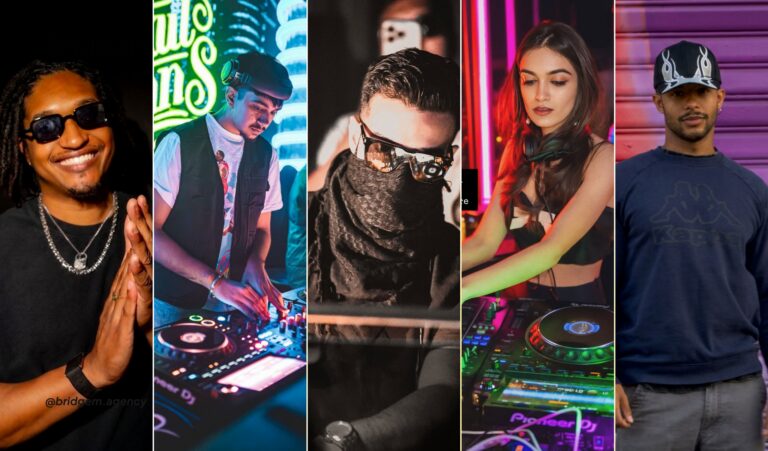
We see it firsthand at BridgeM. These are South Asian artists we’ve worked with in New York:
- Umreeki raps in Hindi and English. He came up in New Delhi’s hip-hop scene before moving back to the US in 2017, and he’s now part of New York’s desi rap community.
- SHNKR is a producer/DJ who blends melodic techno music/euphoric music with indian and global sounds.
- Ary Kumar is a London-raised, New York-based singer-songwriter working across indie, electronic and soul. His song “COCONUT” is about being too Indian for one world and not Indian enough for another. His album SIRENS came out in September 2026.
You can see this scene live at events like TEHKHANA, our listening-room nights in NYC.
What This Means for Brands Working With South Asian Artists
- The audience speaks more than one language. Bilingual artists reach both the diaspora and new listeners. A campaign built around one language or one “South Asian” sound will miss most of them.
- Back independent artists early. Independent artists release most of India’s most-exported songs, and diaspora artists are building loyal regional followings in US cities. The artists playing small rooms now are the ones audiences will follow next.
- Lead with identity. When most hip-hop listeners tie music to who they are, bilingual and regional South Asian artists aren’t a niche. They’re the point.
The Bottom Line
Regional is the new global, in both directions. South Asian artists are reaching listeners far outside South Asia, and diaspora artists in the West are bringing Telugu, Tamil, Punjabi and Hindi into their music. At BridgeM, we build events and content around South Asian artists in the US. If you’re a brand or venue looking to connect with this audience, let’s talk.
Sources
- Spotify, “Loud & Clear” India report (Sept 2, 2026)
- Luminate, “How Overseas Rappers Become Hometown Heroes Stateside” (Aug 11, 2026)
- Rolling Stone India, “Beyond The Border: The Most Exciting Desi Diaspora Artists Right Now” (Aug 26, 2026)
- Billboard Canada, Spotify Canada Global Impact List H1 2026 (Aug 20, 2026)
- US Census Bureau, 2025 American Community Survey 1-year estimates (released Oct 29, 2026)
About BridgeM:
BridgeM is a South Asian/multicultural marketing and events agency creating culture-conscious content and events for emerging brands, artists and creators across the US. We do end-to-end event managementand full scale digital marketing.

Learn about our successful projects here!